
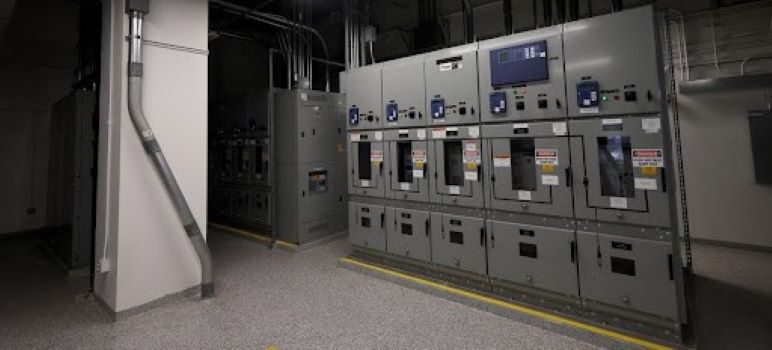
The City of San Jose this week said “approximately 20 active data center sites” are currently in operation in the city.
In an email exchange with San Jose Inside, the city contends that its review of the internationally recognized Data Center Map – which lists 47 data centers in San Jose – shows that “some facilities appear to be double-counted due to co-location or because the site lists both a campus and the individual buildings within that campus,” and that the Data Center Map also includes some proposed centers.
San Jose Inside reported on the Data Center Map total last week.
The city this week said its own total is an estimate. In an email, the city said it estimates there are “approximately 20 operational data centers in San Jose,” with other centers proposed but not yet built.
The city said the methodology of the Data Center Map appears to overstate the number of data centers in the city.
The city, however, acknowledged that it does not know the exact number of data centers in the city: Its planning department lists only those data centers using above 20 megawatts of electricity that require city permits.
Based on the Data Center Map, San Jose Inside and the Gilroy Dispatch reported last week that: “The tracking website Data Center Map reports that San Jose already has 47 data centers, and city officials have said that as many as 34 new projects are under review.”
A spokesperson for Data Center Map defended its data and methodology, explaining that its data center count – in San Jose and worldwide – is updated daily, and is drawn from multiple private and public sources.
“Our data originates from multiple sources,” including data center operators, external sources including end users, the spokesperson said.
Data center operators and service providers use Data Center Map as a marketing tool to promote their data centers, networks and services to potential clients. The center gives these operators direct access to add and update listings.
The website not only lists the numbers of data centers – it provides a photo, address and contact information for each listing.
Data Center Map also monitors multiple external databases to identify missing or changed listings and receives tips and requests from data center users about missing or outdated listings.
“As there are no regulatory requirements to register data centers in a central database, there are no complete resources available,” Data Center map acknowledged. “All databases are based on voluntary data submissions and/or collecting data from providers or other sources. …Covering thousands of records on a global basis in this constantly changing industry, it is of course by no means 100% complete.”
Data Center Map says it primarily tracks data centers from operators offering colocation or cloud services, but also selects crypto miners and hyperscale operators, such as Amazon, Microsoft, Google, Meta and Apple, plus enterprise and government data centers. To qualify for a listing, a data center needs to have an initial capacity of “at least 10 cabinets.”
San Jose Inside reported 34 new data center projects under review in San Jose, based on the city’s own February 2026 Transportation and Environment Committee Memo. The city said this week that this number “includes "inquiries and pre-application projects, many of which never moved forward with formal submission.”
In an email to San Jose Inside, the city reported a revised number of projects currently under review: 10 data center projects are under review, and 3 were recently approved.
San Jose and Gilroy and the California Legislature are tackling ways to regulate the dramatic expansion of data centers, as data center growth in California and nationwide shows no signs of slowing.
An analysis of national and state data shows that hundreds of data centers are already solid fixtures in major tech centers like Silicon Valley, Austin and Northern Virginia.
Residents and climate groups have demanded a temporary construction moratorium, expressing concerns over strain on the electric power grid, water use and carbon emissions.
The City of San Jose began hosting community forums across the city on the topic, and the City Council pledged it will begin policy discussions later this year.
