
Google LLC, Meta Platforms Inc. and TikTok Inc. filed separate federal lawsuits in California this week in attempts to block a first-in-the-nation children's online safety bill that is scheduled to go into effect on Jan. 1, 2027
The complaints are seeking an injunction to block enforcement of the bill, and are challenging it as an unconstitutional violation of free speech.
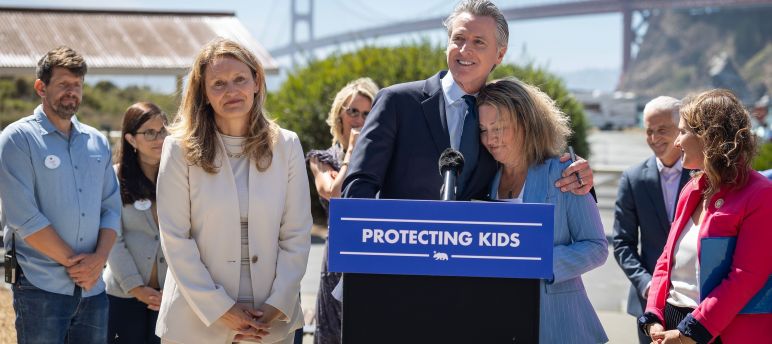
Gov. Gavin Newsom signed Assembly Bill 1709 in September, to shield underage kids from the "psychologically exploitative features" of social media. This includes protecting children under the age of 16 from receiving personalized recommendations and autoplay features.
The landmark bipartisan legislation strengthens California’s protections for children online and when using artificial intelligence. The new law safeguards for companion chatbots, prohibits social media platforms from offering addictive features to users under 16, and expands privacy protections for children.
The separate suits filed by the three media companies argue that the restrictions in the new California law are in violation of the First Amendment and Section 230 of the federal Communications Decency Act, which has often been used to shield tech companies from liability.
Critics of the new bill have called it a “free speech nightmare.”
The three companies are currently battling thousands of lawsuits by school districts, governments, cities and individuals.
“The state cannot, consistent with the First Amendment, override Meta's editorial judgments,” Meta wrote in its complaint. Google and TikTok made similar arguments.
Some organizations agree with the social media companies. The nonprofit Electronic Frontier Foundation has called the law “a massive privacy and free speech nightmare” and unsuccessfully urged Newsom to veto the policy.
Meta recently agreed to pay up to $18 billion to settle a high-profile case over children's privacy and social media addiction. As part of this agreement, the company says it will make changes to its platforms to make them less addictive to young users. It still denies any wrongdoing.
“Our children’s safety deserves to be at the center of every conversation about technology. As innovation moves faster our protections must keep pace,” Newsom said in his signing statement. “Today’s legislation makes clear that California will not stand by while unregulated technology puts our children at risk. Innovation comes with responsibility and protecting our children comes first.”
“We want our children – and every California kid – to grow up in a world where technology supports their wellbeing, rather than exploits their vulnerabilities,” Newsom said. He said he hoped that with the new law, “California is sending a strong message that when it comes to our kids, safety must not be an afterthought – but baked into design and a necessary requisite for all innovation.”
