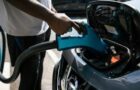
Now that electric cars are mainstream, higher-income Californians will no longer qualify for state subsidies, while lower-income buyers could get up to $12,000.
Legislative analysts raised red flags about the tentative deal for prison guards, the lack of time to review the contracts negotiated by the Newsom administration, flaws in computing salary comparisons and vacancy rates and the bottom-line cost of $5 billion over three years.
More California police departments are deploying body cameras. A new state Supreme Court ruling restricts how prosecutors can use footage of witness accounts at trial.
Frustration runs deep among medical cannabis patients and advocates who say the commercial market created by Proposition 64 in 2016 isn’t meeting their needs.
Some California hospitals have a nurse vacancy rate of 30%, stressing overworked staff and causing some to leave the industry earlier than they planned.
California has spent billions of dollars in recent years to reduce homelessness, but the problem is only getting worse. Lawmakers should consider involving the private sector and repeal laws that make it too expensive to build housing.
California’s electric rates are among the highest in the country, but the three biggest power companies say low-income customers will save money under their proposed plan. Critics doubt it will work.
The most sweeping bills to change California elections got shelved in the Legislature. Instead, lawmakers are focusing on ballot measure language, local redistricting, voting integrity and campaign finance tweaks before the 2024 election.
A California Legislature bill that would give as much as $25,000 from sports revenues each year to California student athletes has met stiff opposition from universities and the NCAA.
Corporate reports would reveal top polluters and climate-related financial risks. But companies warn about faulty data and a “gold-plated exercise” if the two bills become law.